- +1 (123)-4567-890
- info@tinystepsacademy.ca
- 8.00am-4.00pm

Preschool (3 – 4 Years)
Preschool (3 – 4 Years)
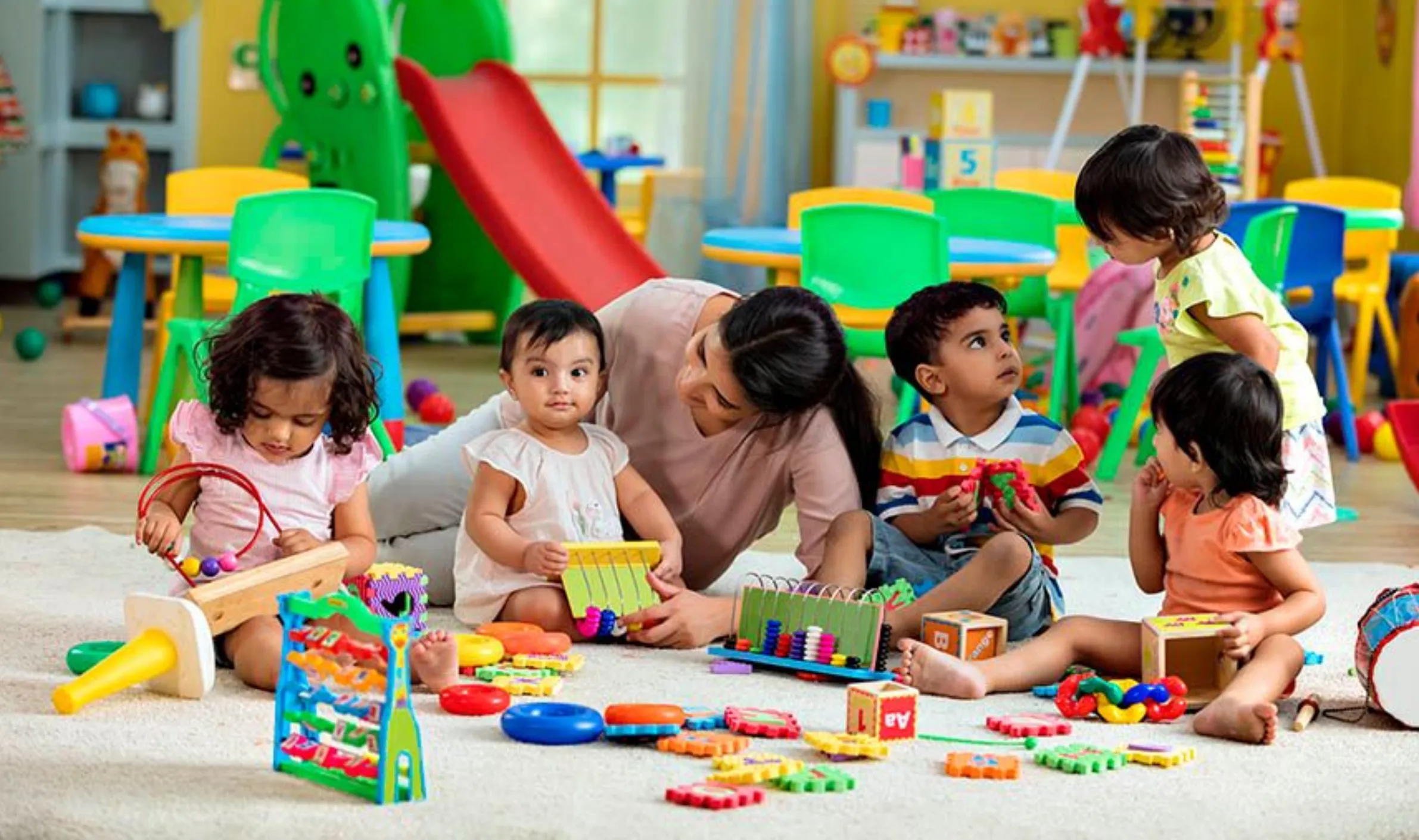
The preschool years are a critical stage in a child’s development. At Tiny Steps Academy, our preschool program is designed to build a strong foundation for lifelong learning by focusing on cognitive, social, emotional, and physical development. Children in this age group are naturally curious, eager to explore, and ready to engage in more structured learning experiences.Our preschool curriculum combines play-based learning with early academic concepts, ensuring children develop essential skills while enjoying every step of their educational journey. Experienced educators create a warm, encouraging environment where every child feels valued, supported, and motivated to learn.We emphasize hands-on activities, creativity, and social interaction, preparing preschoolers for a smooth transition into pre-kindergarten and beyond.
Early Literacy & Numeracy : At Tiny Steps Academy, children engage in fun, interactive lessons focused on letters, phonics, numbers, counting, and basic math concepts. These activities are designed to make learning enjoyable while fostering early academic readiness. Hands-on exercises, games, and group activities help children build foundational literacy and numeracy skills in a supportive environment. By encouraging curiosity and problem-solving, children develop confidence in recognizing patterns, understanding concepts, and applying knowledge in everyday situations.
Language & Communication Skills : Storytelling, group discussions, show-and-tell, and vocabulary-building exercises strengthen children’s verbal and listening abilities. Toddlers are encouraged to express themselves clearly, ask questions, and communicate ideas confidently. These activities also help develop social language skills, attention span, and comprehension, preparing children for effective communication in school and daily life. Regular practice in expressing thoughts and engaging with peers fosters confidence, public speaking skills, and a love for language from an early age.
Social & Emotional Development : Cooperative games, role-playing, and conflict-resolution activities teach children empathy, sharing, teamwork, and problem-solving. By interacting with peers in structured and guided settings, children learn to understand emotions, manage conflicts, and develop healthy social behaviors. These experiences build confidence, emotional resilience, and a sense of belonging in the classroom community. Over time, children gain stronger self-awareness, adaptability, and the ability to navigate social situations independently and thoughtfully.
Creative Arts & Expression : Drawing, painting, crafts, music, and movement activities provide children with opportunities to explore creativity and express themselves. These activities nurture imagination, fine motor skills, and cognitive flexibility. Through arts and creative expression, children gain confidence, learn to make choices, and develop a sense of pride in their creations. Engaging in art and music also enhances emotional expression, stimulates problem-solving, and encourages experimentation in a supportive environment.
Science & Discovery : Hands-on experiments, nature exploration, and sensory activities spark curiosity and encourage critical thinking. Children explore cause-and-effect, observe changes, and engage in problem-solving while safely experimenting and discovering new concepts. These activities help develop observation skills, inquiry, and a lifelong love for learning and exploration. Encouraging children to ask questions and test ideas nurtures independent thinking, creativity, and an understanding of the world around them.
Physical Development : Outdoor play, balance and coordination exercises, and gross-motor activities promote healthy physical growth and agility. Toddlers strengthen muscles, improve coordination, and develop overall fitness through structured play and active games. Regular physical activity also supports cognitive development, confidence, and healthy lifestyle habits. By incorporating cooperative movement games, children also learn teamwork, spatial awareness, and the importance of staying active in a fun and safe way.
Cognitive & Critical Thinking : Puzzles, memory games, and age-appropriate problem-solving activities strengthen logical thinking, concentration, and reasoning skills. Children learn to analyze situations, make decisions, and approach challenges creatively. These activities prepare them for more complex learning tasks while fostering curiosity and persistence. By exploring new challenges and strategies, children develop resilience, adaptability, and a stronger ability to think independently.
Practical Life Skills : Simple routines, self-care, and classroom responsibilities help children develop independence, confidence, and a sense of responsibility. By practicing daily life skills, children gain practical knowledge and develop habits that support personal growth. These experiences also promote organization, time management, and cooperation in a structured environment. Mastering practical life skills empowers children to manage personal tasks confidently and prepares them for the routines of school and everyday life.
Parent Communication & Updates : We maintain close communication with parents through regular progress reports, portfolio updates, and daily summaries. This ensures parents stay informed and engaged in their child’s development, milestones, and achievements. Transparent communication strengthens the partnership between home and school, supporting each child’s growth and well-being. Regular feedback and open dialogue allow parents to reinforce learning at home, celebrate successes, and address any concerns promptly, creating a consistent and supportive environment.
Why Choose Tiny Steps Academy for Toddlers Preschool (3 – 4 Years)?
At Tiny Steps Academy, children aged 3–4 years grow, learn, and explore in a safe, nurturing, and stimulating environment. Our preschool program supports early literacy, numeracy, social-emotional growth, and physical development through hands-on, age-appropriate activities. Children engage in interactive lessons in letters, numbers, and basic math, participate in cooperative games and role-playing to build empathy and teamwork, and enjoy creative arts, music, and movement to foster self-expression, confidence, and fine motor skills. Our childproofed, sanitized classrooms encourage safe exploration, while daily updates, progress reports, and portfolio reviews keep parents connected and informed. At Tiny Steps Academy, we nurture curiosity, independence, and a lifelong love for learning, giving every child the skills and confidence to thrive in school and beyond.